

Table of Contents
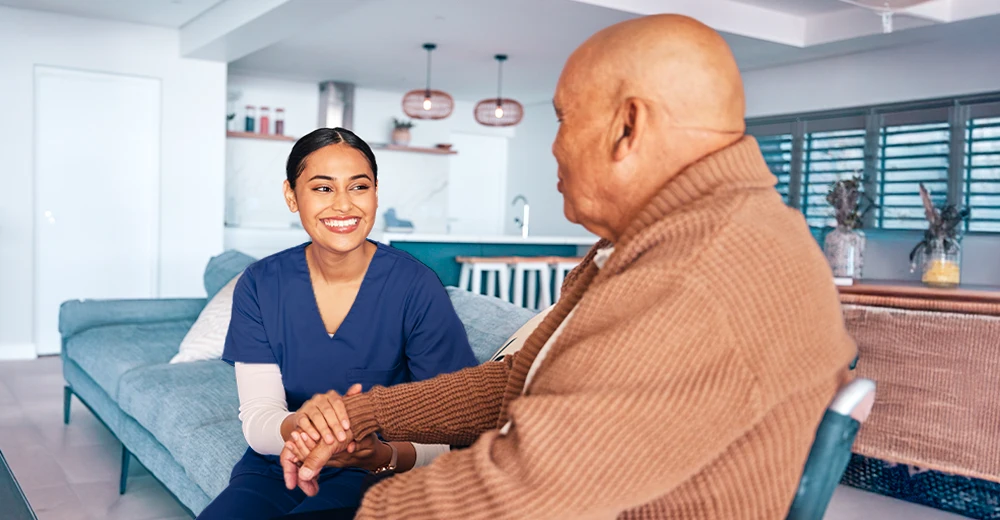
Everyday activities like getting dressed, eating, and moving around our home can be challenging for some. Personal Care Aides, also known as Continuing Care Assistants (CCAs), provide support with these routines while helping clients live safely and with dignity.
Along with compassion, providing this support requires practical skills and specialized training.
You may help someone transfer safely, prepare a nutritionally-appropriate meal, or support their unique mobility challenge. You also need to observe a client’s condition and communicate with the healthcare team.
A Personal Care Aide diploma program gives you the training to handle these responsibilities in a professional care setting.
So, what makes Personal Care Aide a career worth considering in 2026? Here are five reasons to explore the field.
What Does a Personal Care Aide Do?
Personal Care Aides provide day-to-day care and support based on each person’s needs and living situation. They may work one-on-one in a private home or support several residents in a personal care home, long-term care facility, or other residential or community-care setting.
“Personal care looks different for every client. One person could need assistance with mobility and meals, while another might need medication assistance, companionship, or closer observation. As a Personal Care Aide, you learn to work from each person’s care plan and adjust the support you provide to their individual needs.”
– Sharon D., Personal Care Aide program instructor, SBC College
Responsibilities frequently include:
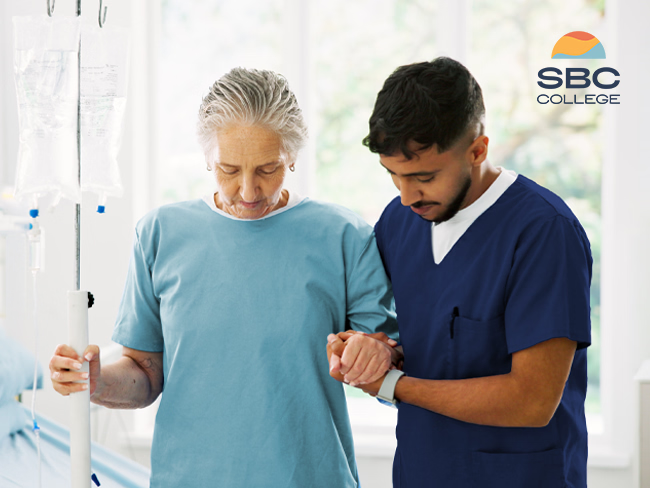
- Supporting clients to walk safely, transfer between beds and chairs, or use mobility aids.
- Preparing meals, assisting with feeding, and monitoring food and fluid intake when required.
- Providing companionship through conversation and social interaction.
- Differentiating medications and assisting with administration.
- Observing a client’s physical or emotional well-being.
- Communicating with the healthcare team.
- Maintaining a safe environment by following infection prevention and safety procedures.
- Assisting with personal hygiene, including bathing, dressing, and grooming.
The role itself is varied, and so are the reasons people are drawn to it. Here are five that stand out.
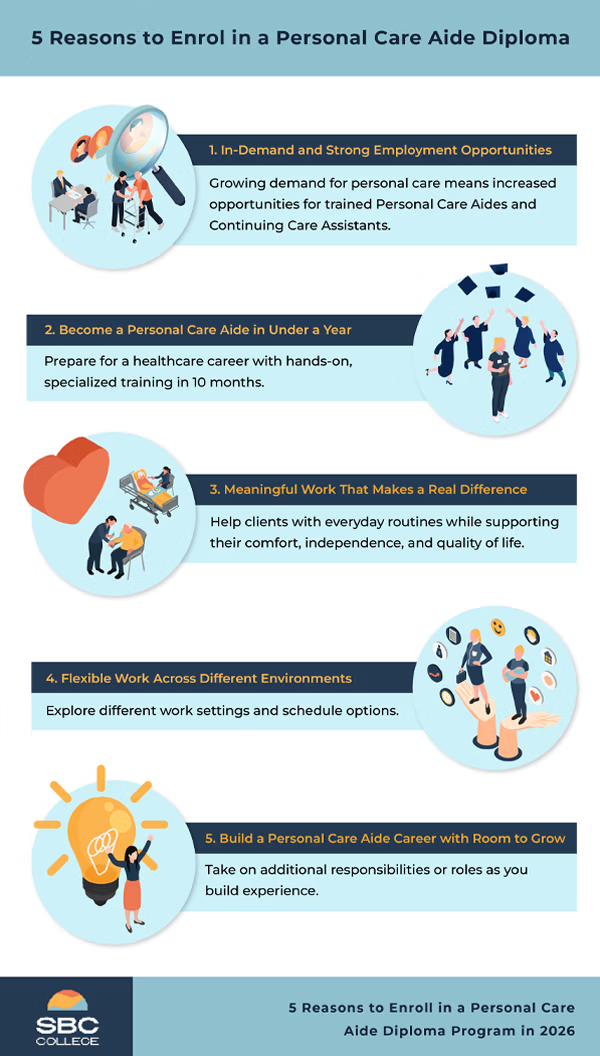
Reason #1: In-Demand Career and Strong Employment Opportunities
While people need personal care for many different reasons, several long-term trends continue to create strong employment opportunities for Personal Care Aides and Continuing Care Assistants (CCAs).
- An aging population: A growing population over the age of 65 means more people require assistance with everyday activities.
- Ongoing care needs: Illness, disability, or recovery from surgery can leave people needing assistance for extended periods.
- Workforce retirements: Many experienced Personal Care Aides are nearing retirement, opening positions for newly trained professionals.
- Investment in long-term care: Government investment is helping expand long-term care capacity and strengthen the workforce.
Reason #2: Become a Personal Care Aide in Under a Year
You can start a new healthcare career in under a year.
SBC College’s Personal Care Aide Diploma program takes about 10 months to prepare you for your new career. During your training, you will learn about safe mobility, proper nutrition, effective client communication, and medical language. You will also learn how to support people with complex health conditions like dementia and confusion.
The program includes two supervised clinical placements where you’ll get workplace experience in real care settings.
“I graduated from the Personal Care Aide Diploma program in 2025. The program gave me valuable training and workplace experience. I was placed with a healthcare organization where I could build my skills. After graduating, I was hired by the same facility.”
– Haile D., Personal Care Aide Graduate, SBC College
Reason #3: Meaningful Work That Makes a Real Difference
As a Personal Care Aide, you will help clients to be safe in their daily routines while maintaining dignity. You might help someone get ready for the day, help them move about their home, or simply have a conversation.
Over time, you may also become familiar with clients’ usual routines and behaviours. That familiarity helps you notice when something seems different.
“When you spend time with the same clients, you get to know their usual routines and behaviours. You might notice that someone isn’t eating as much, seems less steady on their feet, or isn’t acting like themselves. Recognizing those changes and reporting them to the healthcare team can help concerns get addressed before they become more serious.”
– Sharon D., Personal Care Aide Program instructor, SBC College
Reason #4: Work Across Different Environments
Personal Care Aides work in a variety of settings that operate at different times of the day.
Potential workplaces include private homes, group homes, long-term care facilities, and hospitals. Depending on your employer, opportunities may include full-time, part-time, evening, overnight, or weekend shifts.
This range of schedules and settings gives you different options to consider when starting your new career.
Reason #5: Build a Personal Care Aide Career with Room to Grow
A Personal Care Aide or Continuing Care Assistant role gives you experience working directly with clients and other healthcare professionals.
As you gain experience, you could take on additional responsibilities within your workplace. Some experienced Personal Care Aides move into monitoring, supervision, coordination, or scheduling roles.
Essential Skills Every Personal Care Aide Needs
Personal Care Aides require specialized, practical skills throughout their work. These skills help you provide appropriate care while communicating effectively with clients and healthcare teams.
- Mobility Support: Assist with mobility, transfers, and positioning while promoting comfort and independence.
- Nutrition and Mealtime Assistance: Prepare nutritious meals, assist with feeding, and monitor food and fluid intake.
- Medical Terminology and Documentation: Use medical terminology properly, maintain accurate records, and communicate relevant information with the healthcare team.
- Care for Ongoing Health Conditions: Provide appropriate support for clients with chronic illnesses, developmental disabilities, mental health conditions, wounds, and respiratory needs.
- Infection Prevention and Safety: Practice proper hand hygiene, use PPE, and follow infection prevention and safety procedures.
- Communication and Interpersonal Skills: Communicate effectively with clients, families, and healthcare professionals while maintaining confidentiality.
- Recognize signs of abuse and report concerns through appropriate channels.
- Transferring, Lifting, and Repositioning: Move and position clients safely using minimal physical effort. Understand how to use mechanical aid and equipment.
- Confusion and Dementia: Differentiate between disorientation, delirium, and dementia. Apply the principles learned to support clients facing challenges.
- Hands Only CPR: Perform hands-only CPR properly should your client require it.
Where Can Personal Care Aides Work?
Personal Care Aide skills apply across different care settings. Each offers different experiences and opportunities to support people with their daily care needs.
- Long-term care facilities: Provide daily care and ongoing support to residents.
- Private homes: Deliver one-on-one care that helps clients remain independent at home.
- Hospitals: Support patients during recovery as part of a healthcare team.
- Group homes: Assist residents with personal care and daily living activities in a shared home setting.
- Community care programs: Provide care and support services to clients living in the community.
Why Choose SBC College’s Personal Care Aide Diploma Program?
Learning how to provide personal care requires specialized hands-on training. SBC College’s Personal Care Aide Diploma program combines online coursework with in-person, practical lab training and supervised clinical placements.
- Hands-On Training: Build practical skills through simulated lab sessions that cover personal care, safe transfers, and mobility support. You will also learn how to recognize changes in a client’s condition.
- Training in Specialized Areas of Care: Study dementia care, nutrition, infection prevention and control, medical terminology, documentation, and client communication.
- Clinical Experience: Take your training into care settings through two supervised clinical placements with healthcare employers.
- Industry-Recognized Certifications: Graduate with Food Safe Level 1 and Transferring, Lifting, and Repositioning (TLR) certifications.
- Hybrid Learning: Complete your coursework through a combination of online learning and in-person training.
- Dedicated Student Support: Receive guidance from experienced instructors and student support services from enrolment through graduation.
- Lifetime Career Services: Receive career support, including assistance with resumes, job searches, and interview preparation.
The Personal Care Aide Diploma program gives you structured training, practical experience, and industry-related certifications.
Frequently Asked Questions
How long does it take to become a Personal Care Aide?
SBC College’s Personal Care Aide Diploma takes about 10 months to complete. During your training, you’ll build practical caregiving skills and complete two supervised clinical placements.
Can I become a Personal Care Aide with no healthcare experience?
Yes. Previous healthcare experience is not required for the Personal Care Aide Diploma program. You’ll develop essential care skills through online learning, on-campus labs, and supervised clinical placements.
The program also includes Food Safe Level 1 and Transferring, Lifting, and Repositioning (TLR) certifications.
Where can Personal Care Aides work after graduation?
Personal Care Aide program graduates find opportunities in healthcare and community settings, including:
- Long-term care facilities
- Private homes
- Hospitals
- Group homes
- Community care programs
What skills do Personal Care Aides need?
Personal Care Aides need a range of specialized skills to support clients with their daily care needs. These include:
- Personal care and mobility support
- Nutrition and mealtime assistance
- Medical terminology and documentation
- Care for ongoing health conditions
- Infection prevention and safety
- Communication and interpersonal skills
What does a typical day look like for a Personal Care Aide?
A typical day may include assisting with personal hygiene, supporting mobility, preparing meals, and monitoring clients’ well-being. You may also provide companionship, maintain a safe environment, and report changes to the healthcare team.
Can a Personal Care Aide advance to other healthcare careers?
Yes. Personal Care Aides build experience in direct care and healthcare environments. With experience and additional qualifications, some professionals move into mentoring, supervision, coordination, or scheduling roles. Specific opportunities depend on the role, employer, qualifications, and available positions.