


Table of Contents
For many working adults, putting their life on hold to study full-time simply isn’t an option. That’s why diploma programs from career colleges are designed differently.
Their flexible format lets you study and maintain your current commitments, continue earning, and build skills you can use right away. Instead of rearranging your life, studies fit into the time you already have.
Here’s how that can look in everyday life:
Why Working Adults Choose to Earn a Diploma While Continuing to Work
Earning a diploma while staying employed is a practical way to build new skills, move ahead in your career, and maintain financial stability.
Maintaining Financial Stability
Working while you study gives you more control over your finances. A steady income supports everyday living and education expenses, making it easier to plan ahead.
The best colleges also offer guidance with financial aid, helping you explore funding options and payment plans that fit your situation.
By choosing to work while studying, you strengthen your financial stability while investing in your future.
Building Career-Focused Skills Without Leaving the Workforce
Working adults often return to college to gain practical skills for a career change or advancement. Through career-focused diploma programs, you’ll get hands-on experience with workplace tools, systems, and procedures. This helps you understand job expectations and daily work quickly.
The best diploma programs include a practicum option, letting you apply what you’ve learned in a real-world setting. This bridges the gap between classroom learning and employment.
SBC graduate Rita I. shares how choosing the right program helped her build new skills while working.
“I wanted to gain additional qualifications in my field, but I was working and had no time during business hours. A colleague introduced me to SBC College’s flexible diploma program, and I was able to fit my studies around my job.”
Continuing to work while studying makes the transition into a new career much easier. You’ll maintain your income while developing technical knowledge, practical experience, and industry insight that employers look for when hiring.
Practical Tips to Balance Work and Study Successfully
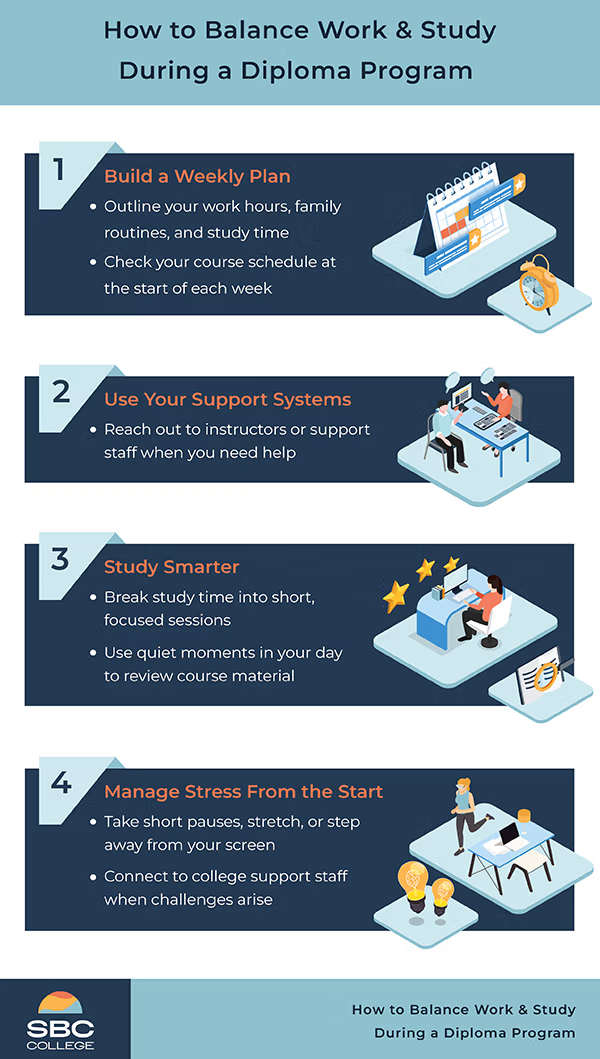
Balancing work and school is about organizing your time. Here are a few practical habits that will help you succeed:
Build a Weekly Plan
A weekly schedule shows how your responsibilities line up. Whether it’s work, family, or school, seeing everything in one place makes it easier to plan your time.
Valerie T. is part of the Student Services team at SBC College. She regularly supports students with academic, personal, or financial challenges that come up during school.
“Write down what your week includes, such as work shifts, commute time, or regular appointments. Once you see what’s fixed, you can fit your studies into the time you have. Students are often surprised by how much they accomplish using short study sessions throughout the week.”
This approach helps you stay on top of coursework, prepare for upcoming priorities, and avoid last-minute rushes. Over time, consistent planning builds routines that make studying feel doable.
Use Your Support Systems

Having strong academic support can make it easier to learn and manage your responsibilities as a student. It means you’re not handling everything alone, and you have people you can turn to for help.
“Support can come from instructors, student services staff, and even classmates. Students who stay in touch with their instructors and the Student Services team tend to do better than those who try to manage everything on their own.” -Valerie T., Student Services, SBC College
Students who use available supports balance school, work, and personal responsibilities more effectively. Knowing who to contact and when to ask for help helps you stay on track throughout your program.
Study Smarter
For many students, work hours are fixed and non-negotiable. Valerie often reminds students to build study time around their schedule.
“Don’t wait for a full day off to get everything done. Look at your week and notice the small windows of time you can use. It could be an hour before a shift, some quiet time after dinner, or short sessions between responsibilities.”
Using your time purposefully helps you stay engaged with your coursework, keep pace with deadlines, and make consistent progress throughout the week.
Manage Stress from the Start
Taking care of your physical and mental well-being is a must when you’re balancing work, school, and life. It helps you stay alert, think clearly, and manage your day better.
Valerie suggests simple ways to focus better on your studies:
“Something as simple as stepping away from your screen, eating a proper meal, or taking a short walk can help you reset. When you give yourself a moment to recharge, you can return with a clear head and focus better.”
Staying connected to the right support also plays an important part in your overall wellness.
“Student Services at SBC College can guide you when you need support. They can show you where to find information and who to contact, saving time and reducing stress.”
When you prioritize your health, you’re better able to stay focused and keep up with your everyday responsibilities.
How SBC College Supports Working Students
SBC College supports working students by offering flexible diploma programs developed to fit around your life. The online format lets you study from home, organize your lessons around your routine, and complete your coursework within set timelines. This gives you a practical way to prepare for a new career while still managing your current responsibilities.
Each program uses a modular-based learning system, so you study one subject at a time and finish it before starting the next. This method is proven to increase knowledge retention and academic success rates. It also keeps your workload manageable and helps you make steady progress.
Support begins the moment you enrol. Live onboarding sessions guide you through the online learning platform so you know where to find your lectures, assignments, and course expectations. After onboarding, you begin the SBC Becoming a Master Student (BAMS) course. It helps you build study habits, manage your time, and set goals you can follow throughout the program.
Throughout your diploma program, Student Services is there to support you. They can connect you with personal, wellness, or financial resources whenever you need assistance. You also have access to our mental wellness program that offers 24/7 support whenever you need it.
The Career Services Team supports you with resumes, interview preparation and job searches. And it is still available to assist you after you graduate.
FAQs
How many hours should I work at my job each week while completing my diploma?
Many students continue working full-time. SBC College’s flexible format lets you complete coursework around your schedule .
What if my work schedule conflicts with my class schedule?
SBC College’s flexible format lets you fit your coursework into your routine for most programs. If you need support, Student Services is there to help you stay on track.
How do I manage stress when juggling work and studies?
Balancing work and studies is easier with the right support. SBC College’s flexible learning format helps reduce pressure and focus on your studies. You also have 24/7 access to a mental wellness program that supports your well-being. If you need any help, the Student Services team is there to support you.
Can I maintain good grades while working?
At SBC College, programs are designed with clear expectations, accessible instructors, and consistent academic guidance. Students who manage their time, stay engaged, and use the support available to them are able to maintain strong academic performance while meeting other commitments.
How do I handle busy periods like exam season while working?
The course expectations outlined in the Learning Management System (LMS) help you plan ahead. If you need support, Student Services can help you explore your options.
Should I tell my employer about my diploma program?
You’re not required to but in some cases, it can be beneficial. If your diploma is related to your career goals with your current employer, your employer may be supportive or even offer flexibility.
If your schedule won’t change, many students simply continue working as usual.