


Table of Contents
Your goals change over time. Better pay, a different field, or a more rewarding career can suddenly become pressing issues.
So where do you start? A career shift needs more than motivation. It needs skills that employers recognize and training that leads to real opportunities. Career colleges make this possible by offering career-focused programs, shorter timelines, convenient start dates and learning that connects directly to the workplace.
Here’s how a career college can help you turn your career goals into real progress in 2026.
A Modern Solution for Career Development
Career planning doesn’t look the way it used to. Many people are changing careers and upskilling later in life, more than once, or with clearer career paths in their sights. Something that hasn’t kept up with this pace is how most traditional education systems are structured.
Public education programs are typically designed with long timelines and broad outcomes in mind. They often require years of study before someone can even think about starting a new role, and that simply doesn’t work for people looking to make a career change quickly into a specific role.
Career colleges offer a more modern approach. Diploma programs are designed with shorter timelines and defined career outcomes, so you can move from education into employment much faster. Instead of committing to multiple years of study, you can complete recognized training that gives you the skills, knowledge, and industry experience you need to enter a field in under a year.
For people thinking about a career change this year, this means being able to fit your studies around your work and family life, being trained by instructors who’ve worked in the field they’re training you for, who can share their personal insights about what the career entails. It also means having support available specifically for career planning and development from a Career Services team who can talk you through job opportunities, resume and cover letter preparation, and interview techniques and practice.
Career colleges are built for modern career changers and upskillers, and there’s no better time to explore your options than right now.
Why Career Colleges Are Perfect for 2026
When career stability, growth, and purposeful work are priorities, the right education is your most useful tool.
Choosing the right place to study can influence how quickly you move toward those goals. The right career college will support you by offering:
- Training aligned with current
- Flexible learning that fits your routine
- Supportive environment that guides your progress
Let’s explore each of these benefits in detail.
Training Aligned with Current Job Market Needs
Employers today prioritize candidates with up-to-date skills, professional knowledge, and adaptability. Career colleges design their programs around these requirements, so what you study matches what you will do at work.
You’ll learn industry software, follow processes used in your field, and understand the terminology that professionals use every day. This makes it easier to take on responsibilities without extra training.
The right program will also include a practicum placement in the field you want to enter. During this placement, you’ll apply what you learned in class, work with the tools and systems used in the workplace, and build habits that employers look for.
By the time you graduate, you’ll know how the job operates and what employers expect from you. This readiness is what makes a career college the best route into the workforce for those looking to gain the skills, knowledge, and experience employers value in under a year.
Flexible Learning that Fits Your Routine

Career colleges recognize that many students are working, raising families, or balancing other responsibilities. Programs are built so you can study without stepping away from your routine.
Rita I., an Accounting, Tax, and Payroll graduate, shares how choosing the right career college helped her:
“I wanted to gain additional qualifications in my field, but I was working and had no time during business hours. A colleague introduced me to SBC College’s online diploma program, and the experience was amazing.”
The modular learning format let me focus on one course at a time, and the instructors used digital tools that made learning online as engaging as a face-to-face class.”
Her experience shows how flexible learning makes it possible to pursue career goals while keeping your existing routine intact.
Supportive Environment that Guides Your Progress
The right career college will stay involved in your journey from the moment you enrol. Taylor L., Vice President of Academics at SBC College, emphasizes how this support works:
“Support is available at every stage of your program at SBC. Admissions Advisors help you explore program options and create a schedule that fits your life. Onboarding ensures you can access the online systems, while Student Services provides academic and personal guidance.
“There is also Career Services, which helps with practicum placement so students can apply their training in a workplace setting. The team offers guidance with resumes, interview preparation, and personalized job search strategies, even after graduation.”
When you have a strong support system, you always have someone to turn to as you work toward your new career.
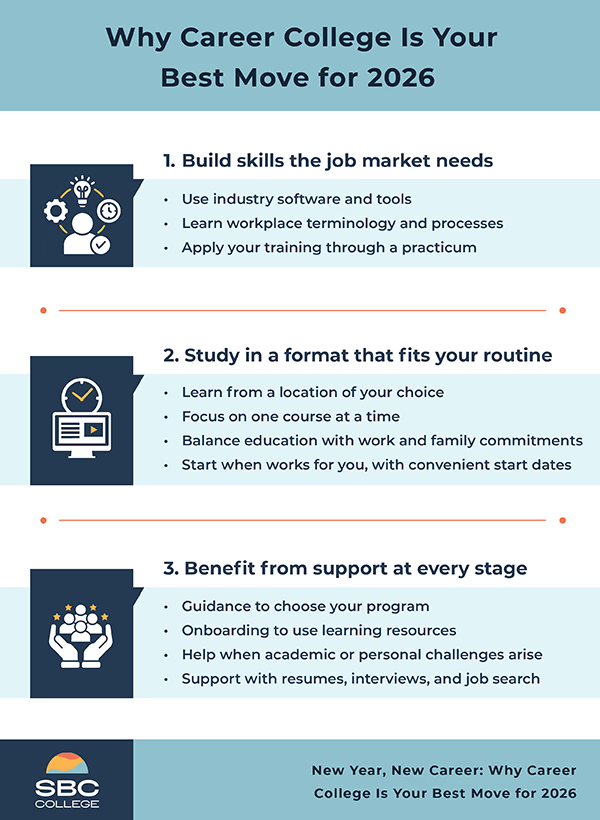
Why SBC College is Your Best Move for 2026
SBC College brings together the advantages that make career colleges so effective. Programs are aligned with workplace expectations, practicum placements connect you with employers, and flexible learning formats with monthly start dates let you begin your studies when it fits your life. Each part of your program moves you closer to a new career.
Support begins before you start and continues after you graduate:
- Admissions Advisors help you get answers to your questions and discuss timelines, requirements, and first steps to enrol
- Live Onboarding support prepares you to use online systems and learning tools
- The Becoming a Master Student (BAMS) course introduces study habits, time management, and goal-setting skills early in your program
- Industry-experienced instructors focus guidance and feedback based on workplace expectations
- Student Services assist with academic or personal concerns during your studies
- Career Services help with practicum placement during your program. Guidance with resumes, interview preparation, and targeted job search strategies, continues even after graduation
This structure turns training into momentum. You learn, gain experience, and move toward opportunities that match your career goals.
Frequently Asked Questions (FAQs)
Is the New Year a good time to start a diploma program?
Yes. The New Year is a great time to start your diploma program because it lets you act on the career goals you’ve set for yourself in the year ahead.
What is the fastest way to change careers in 2026?
A career college offers one of the quickest paths to change careers in 2026. Programs focus on workplace skills and often include practicum experience, helping you enter a new field within a year.
How long does it take to complete a career college diploma?
With the right diploma program, you can finish your training in under 12 months. This allows you to build skills and move into the workforce faster than traditional programs, which take several years to complete.
Are online or flexible diploma programs a good option for working adults?
Yes. Flexible formats allow you to study around work and personal responsibilities. You complete one course at a time, access materials anytime, and progress without disrupting your routine. Certain career college diploma programs also have regular start dates, so you don’t have to wait for a new semester to begin.
I want to change careers. How can I choose the right diploma program?
Look for programs that match the field you want to enter. Review the courses, the software you will learn, and whether a practicum is included. Select a college that has convenient start dates and offers support at every stage, from admissions and onboarding to academic, financial, and career guidance.
What support do career colleges offer for adults returning to school?
In the best career colleges, support starts before enrolment and continues after graduation. Admissions Advisors help you select a program that matches your goals, onboarding prepares you to use online systems, Student Services assist during your studies, and Career Services helps with practicum placement as well as guide you through resumes, interviews, and job searches.