


Table of Contents
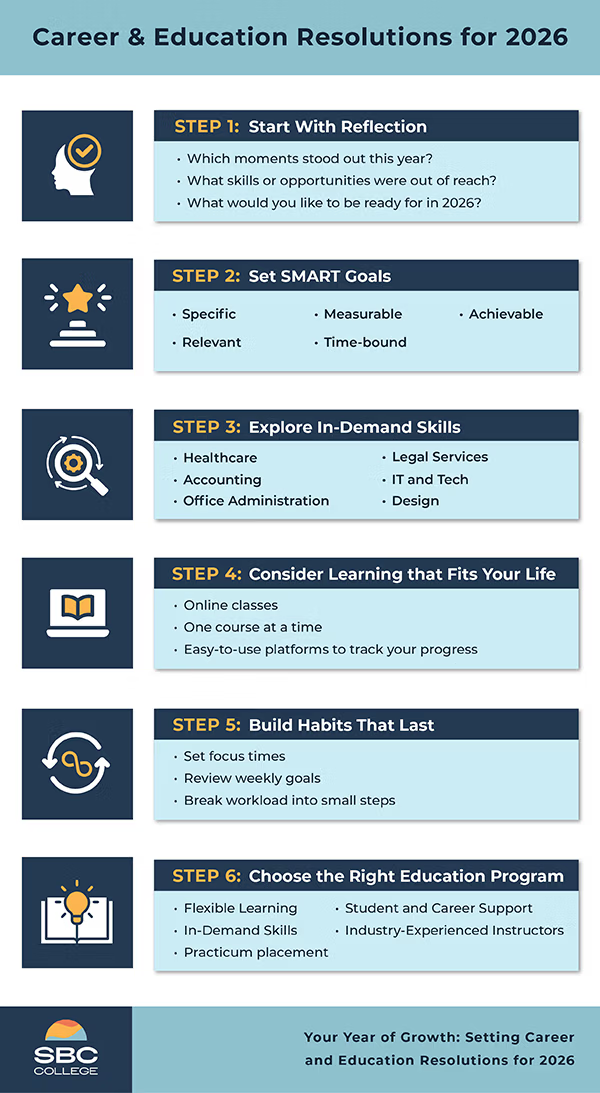
Setting career resolutions for 2026 starts with taking a closer look at everything this past year brought your way. Have there been times when you adapted to something new, supported a coworker, or handled responsibilities that were outside your comfort zone?
Maybe you identified skills you wished you had, wished for more time with your family, or realized that your current job no longer fits you.
Reflecting on the past year will help you determine if you want to build new skills, look for a career to replace your job, or move into a different field.
Let’s reflect on 2025, then turn our attention forward to making 2026 a new and better chapter.
Reflect on the Past Year to Build Forward Momentum
Thinking about the experiences that stood out this year can help you set the right resolutions. Perhaps you tried something new and enjoyed it, completed a task that once felt difficult, or received positive feedback for your efforts. These moments remind you of what you’re capable of and the qualities you already bring into your work life.
Other experiences may have made you think about the areas you want to improve. Maybe you noticed skills that you would like to learn, rejected opportunities you weren’t ready for at the time, or recognized situations where additional knowledge would have made you more effective.
Resolutions can make a real difference. They’ll allow you to progress in your career, repeat the activities you enjoy, and seize opportunities. The key is to choose your resolutions wisely.
Set SMART Career and Education Resolutions for 2026
As you think about the changes you want in 2026, defining your goals clearly will make them easier to achieve.
The SMART framework helps with this. It stands for Specific, Measurable, Achievable, Relevant, and Time-bound. This approach helps you clarify what you want to accomplish, why it matters, and how quickly you’ll achieve it.
Here’s how a SMART resolution might look for someone thinking about a career change in 2026:
Specific: Start by identifying and naming exactly what needs to change in your career in 2026. “Find a better job” isn’t enough. Instead, write down the concrete shift you want to see, like choosing an in-demand career path, earning a new qualification, or moving into a field that aligns with your interests. The more specific you are, the more easily you will track your progress.
Measurable: Now think about what it’ll take to achieve your goal and turn it into manageable steps. Decide how you’ll measure progress. It could be setting a date to research the skills you’ll need to enter your new field or giving yourself a deadline to look into training options that match your lifestyle.
Achievable: When setting resolutions, ask yourself what it will truly take to stay on track. Consider lifestyle and other responsibilities. Build a plan, such as a defined study routine. If it’s not realistic, alter your goal accordingly.
Relevant: Make sure your goals help you achieve the outcome you’re looking for. For example, if a training program will ready you for a career you’re interested in, then it’s certainly relevant.
Time-bound: Accomplishing your goals becomes more likely when you give them defined time frames. That could mean earning a diploma before the end of 2026 or taking a career quiz this Sunday afternoon.
Goals like these help you stay focused and make steady progress. As you set your resolutions for 2026, think about the kind of work you want to move into and the training that can bring you closer to it. When your goals have direction, your plans are more achievable.
Focus on In-Demand Skills for Canada’s 2026 Job Market

If your resolutions are about trying a new career, choose one that is in demand. Find a path that both suits your interests and promises job opportunities.
Healthcare
Home and community-based care employers need people who can assist seniors, individuals with disabilities, or clients recovering from illness with personal care, mobility, and day-to-day support. Walk-in clinics, doctor’s offices, and health units also need people who can manage medical office procedures, book appointments, handle patient records, and support daily operations.
Accounting
Roles in accounting often involve bookkeeping, payroll processing, tax preparation, financial reporting, and the ability to stay organized and communicate clearly, and they’re in demand right now.
Office Administration
Administrative workers are needed to provide strong communication, documentation, and computer skills, and the ability to support day-to-day activities within business environments that include HR, finance, and other functions. Some industries, like mining, also require administrative staff who understand their day-to-day processes.
Legal Services
Legal offices need trained workers to do legal research, follow legal office procedures, prepare documents, understand the fundamentals of real estate, contract, family law and more, and communicate professionally.
IT and Network Technology
The IT industry is looking for professionals skilled in networking, troubleshooting, system support, device configuration, and cybersecurity.
Design Technology
The creative industry is in need of staff who can work effectively with digital layout, branding, typography, and design software.
When you understand the skills each field depends on, it’s easier to set the right resolutions. Choosing the right education is part of that decision.
Valerie T., Assistant Education Manager at SBC College, explains what to look for when comparing programs:
“When you’re looking for a program, pay attention to the curriculum, the industry software you’ll learn, and whether it includes a practicum placement. These factors show you how well the training connects to workplace expectations, and they make a difference once you’re in the field.”
When you look for these things, you’ll find a program that helps you build the skills the job market will need in 2026.
Look for a Flexible Learning Plan That Fits Your Life
You might wonder how school can fit alongside your job, your family, and the responsibilities you handle each day. When your learning plan matches the pace of your life, your goals become achievable. The right diploma program for you will include online classes, modular learning, and clear timelines, so your studies fit into your existing routine.
Part of that flexibility comes from using intuitive learning platforms that bring everything together in one place. Valerie T. highlights how modern tools improves the learning process:
“SBC College students access everything through online learning platforms like Moodle, which lay out lessons, deadlines, and activities in one location. It helps them see their week clearly and know exactly what to work on.”
Modular learning means one course at a time, giving you a clear starting point each week and keeping you focused.
A flexible program also lets you study during the times when you feel most alert. You may find that early mornings help you begin with a clear mind, or that evenings feel calmer once the day slows.
With that support in place, you can head into 2026 with a routine that feels doable and gives you space to focus on the goals that matter to you.
Build Habits That Sustain Growth and Motivation
Your habits determine whether or not you reach your career goals. Motivation can come and go, but steady routines give you something familiar to lean on, even when life gets busy. Setting consistent study times, reviewing your weekly goals, and dividing your workload into smaller steps can make your progress feel much easier to manage.
The right college will help you develop these habits right from the start. Valerie T. shares how students build this foundation early:
“Every student at SBC College begins their program with the Becoming a Master Student (BAMS) course, which teaches goal-setting strategies and practical study habits. These skills help them build routines that support their progress throughout the program.”
Habits like this give you structure you can rely on and help you stay motivated as you work toward new opportunities.
Why Your Choice of a Career College Matters for 2026 Growth
When you’re thinking about building skills for a new career, the place you choose to learn can impact your career prospects.
The right career college for you will understand your reality. For example, if you’re going to be a working student, learning must be organized to fit your job, family, and everyday routine. Look for diploma programs in in-demand fields like healthcare, business, administration, legal services, IT, and design that can be completed in under a year, helping you move from student to professional quickly.
The right school will offer you an opportunity to learn from industry-experienced instructors whose guidance, insights, and practical examples will help you understand what employers expect from new graduates.
A practicum will give you experience applying those skills in a workplace, and a clear course schedule will outline your weekly expectations and help you stay organized as you work through your diploma program.
You’ll have access to teams to support you through academic or personal concerns that may come up during your studies, so you never feel like you’re handling it on your own.
And when you’re ready to start exploring the job market, career support will be there with help on resumes, interview preparation, and understanding what employers are looking for.
When your education is practical, aligned with employer expectations, and flexible enough to fit your routine, new career opportunities are within reach.
Why SBC College is Your Partner for 2026 Growth
Setting a resolution gives you a starting point for the future you want in 2026. When you identify the skills you want to gain or career direction you want to follow, the right training helps you move toward it. When you choose SBC College, you study in programs that align with your goals and support your progress.
Curriculum Designed Around Workplace Needs
At SBC College, each diploma program is developed with input from industry professionals so the training reflects what workplaces expect. You learn through coursework that connects practical knowledge with the realities of the job, giving you a clear understanding of how the work is done in the real-world.
Workplace Experience Before You Graduate
Every diploma program includes a practicum, giving you the chance to apply what you’ve learned, see how your skills fit into day-to-day responsibilities and connect with employers. Many students say this is when everything clicks because they can connect their training to real work.
Support at Every Stage
Support begins the moment you start exploring your program options.
- Admissions Advisors help you choose a program that aligns with your goals.
- The Becoming a Master Student (BAMS) course introduces study strategies, time-management habits, and goal-setting skills early in your program, helping you stay organized as you begin your coursework.
- Industry-experienced instructors guide you through your courses with feedback that helps you understand what employers look for.
- Student Services is available when academic or personal concerns come up, so you’re always supported.
- Lifetime Career Services helps you prepare your resume, practice interview questions, and plan your job search, before and after you graduate.
Study on Your Schedule
Programs are offered in a modular format so you can study one course at a time and balance school with work and family life. Recorded lessons and flexible scheduling make it easier to learn at your own pace and stay focused on your goals.
In-Demand Career Training
Graduates move into fields where skilled professionals are needed, including healthcare, business, administration, legal services, IT, and design. With focused training, hands-on experience, and the support of staff who understand your goals, you’re ready to take on new opportunities.
Frequently Asked Questions (FAQs)
What are the best career resolutions to set in 2026?
The best career resolutions are the ones that match your strengths, your interests, and the future you want. You might choose to improve the skills you already have, prepare for a new field that offers more stability, or finally work toward a career you’ve been thinking about for years.
How can adult learners achieve their education goals in 2026?
You’re more likely to reach your goals when you follow a routine that fits your life and choose training that supports it. Online learning gives you flexibility, one-course-at-a-time structure keeps your workload manageable, and weekly expectations help you stay organized. Look for support at every step of your learning.
What in-demand skills should I focus on for 2026?
Practical skills in areas such as healthcare, business, administration, legal services, IT, and design are in demand. Each field needs people who understand workplace responsibilities like medical office procedures, bookkeeping and payroll basics, legal documentation, IT troubleshooting, or digital layout and branding.
How do I balance work, family, and education while studying?
Balancing everything is easier when your training fits the rhythm of your day. Flexible online learning, one course at a time, and clear weekly direction so you always know what to focus on are key. Supportive instructors as well as service and career teams are also important for your success.
What are some examples of achievable education goals for adults?
Achievable goals include completing a diploma in under a year, gaining skills for a new role, or preparing to move into a new field.
How can SBC College help with professional growth and upskilling?
SBC College focuses on teaching you the skills workplaces rely on. You will learn from instructors with years of industry experience and practice those skills through coursework. You will also complete a practicum that helps you understand how the work is done in the real world and introduce you to people in the field. With Career Services guiding your resume, interview preparation, and job search, you will be ready to take on new opportunities.