

Table of Contents
Every time you visit a clinic or a hospital, a lot of coordination takes place before your name is called.
Your appointment has been scheduled, your information verified, and the healthcare team is fully prepared for your visit.
Medical Office Assistants coordinate these essential processes, ensuring each patient experience runs smoothly.
So, what does a typical day look like in this role?
This article explores their day-to-day responsibilities, the key skills required, and the career opportunities in this in-demand field.
What Does a Medical Office Assistant Do?
As a Medical Office Assistant, you’ll play a key role in every patient’s healthcare journey. You’ll connect patients to the right services and support medical teams by keeping information accurate, organized, and accessible.
“For a Medical Office Assistant, no two days are exactly alike. Your responsibilities will constantly switch between patient communication, administration, and clinical support, depending on the needs of the healthcare team.”
– Janice T., Medical Office Administration Instructor, SBC College
Here’s what your day-to-day responsibilities could involve:
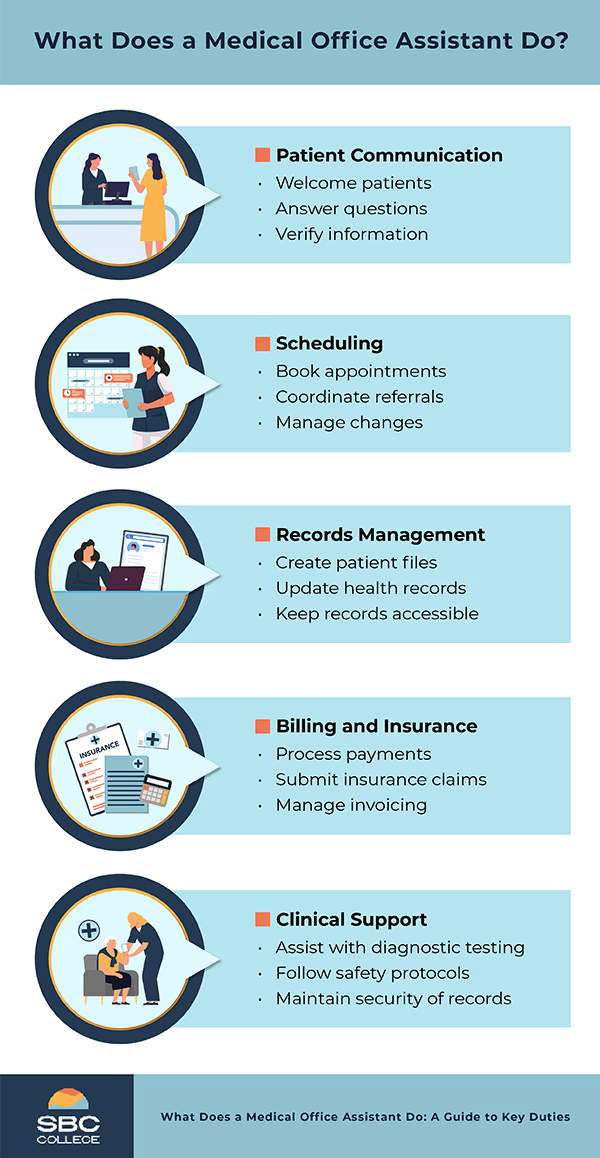
- Patient Communication
Clear communication keeps patients informed and prepared for their appointments. You’ll welcome patients, answer their questions, and verify important information upon arrival. - Appointment Scheduling
A well-planned schedule helps patients receive timely care. You’ll book appointments, coordinate specialist referrals, and manage scheduling changes. - Records Management
Healthcare providers rely on accurate patient records to make safe clinical decisions. You’ll update electronic health records (EHRs), create patient files, and make sure medical documentation is organized and secure. - Billing & Insurance
Most patients rely on health coverage to access essential healthcare services. You’ll process payments, submit insurance claims, and manage invoicing. - Clinical Support
You’ll support diagnostic testing procedures, ensure the accuracy and security of medical records, and maintain healthcare safety standards.
Every part of this role connects to the patient. The appointments you schedule, the records you maintain, and the claims you process directly affect how and when someone receives care. Medical Office Assistants don’t just support the healthcare system. They keep it running.
Where Do Medical Office Assistants Work?
The healthcare setting you choose influences the patients you’ll interact with, the services you’ll support, and even your work schedule.
“Medical Office Assistants work in healthcare settings with different patient populations, responsibilities, and hours, making it easier to find a role that fits your interests and lifestyle.”
– Janice T., Medical Office Administration Instructor, SBC College
Here are some of the most common healthcare settings where Medical Office Assistants build their careers:
- Primary Care Clinic – General medical clinics where you’ll support family physicians and assist with everyday patient care.
- Specialist Practices – Focused environments like dental, optometry, physiotherapy, and other specialty clinics that provide patient services.
- Hospitals and Outpatient Care – Faster-paced environments supporting larger, multidisciplinary healthcare teams.
- Community and Long-Term Care – Community health organizations, nursing homes, and care facilities supporting people who need long-term care.
Skills for Success
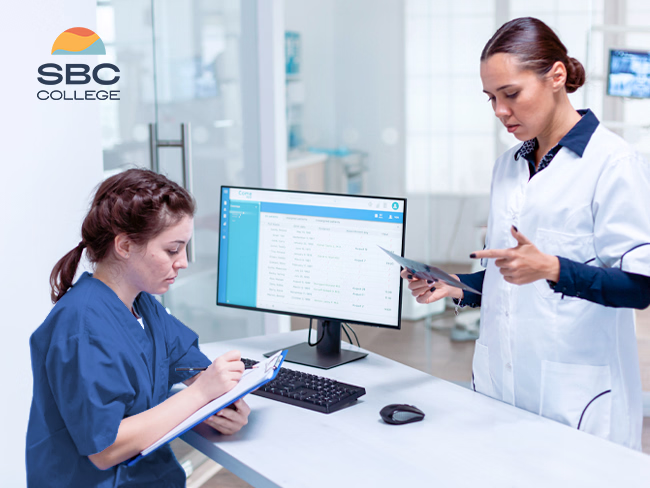
Medical Office Assistants frequently shift between administrative, clinical, and patient-facing tasks during a typical workday. Successfully balancing these varied responsibilities requires a diverse and specialized skillset.
Electronic Health Records (EHRs)
Electronic health records are central to almost every task in a medical office. You’ll use specialized EHR systems to update patient information, manage appointments, and keep records accurate and accessible.
Medical Billing and Healthcare Software
Medical billing requires high accuracy and attention to detail. You’ll process payments, submit insurance claims, and maintain billing records using specialized healthcare software like Accuro.
Medical Transcription
Medical transcription involves converting physician notes into accurate patient records. Precise documentation supports ongoing patient care and allows healthcare teams to access important information when needed.
Medical Terminology and Anatomy
Understanding medical terminology and anatomy helps you interpret physician notes, prepare referrals, and communicate effectively with healthcare professionals.
Workplace Procedures
Medical Office Assistants must understand everyday operational workflows, including patient registration, appointment scheduling, and health information management. Depending on your workplace, you’ll also need to manage admissions, discharges, and patient transfer processes.
Top 5 Career Opportunities
The skills you develop as a Medical Office Assistant are highly versatile and open doors to a variety of essential healthcare roles. Here are some of the career opportunities they can lead to.
Medical Office Assistant
Be part of every patient’s healthcare journey by keeping care organized from check-in to follow-up.
Medical Secretary
Translate complex medical information into accurate records that keep healthcare teams informed and organized.
Hospital Unit Clerk
Keep hospital units connected by making sure patient information reaches the right people at the right time.
Medical Billing Clerk
Make healthcare more accessible by helping patients and providers navigate billing and insurance processes.
Medical Receptionist
Create a positive experience for patients from how they are greeted to the accuracy of their information.
How SBC College Prepares You for Medical Office Administration
SBC College’s Medical Office Administration diploma program prepares you for a new career in healthcare administration in less than a year. Here’s how the program sets you up for success:
Foundational Knowledge
Build a strong foundation in:
- Anatomy
- Medical terminology
- Medical office procedures
Hands-on Training
Gain hands-on training in key medical office skills:
- Transcription
- Electronic medical records (EMR) systems like Accuro
- Billing processes like claim preparation and submission
Real-World Experience Before You Graduate
Your practicum opportunity will place you in a healthcare setting before graduation. You’ll work alongside professionals, apply your training in real situations, and build the workplace connections that often lead directly to employment.
Learn From Industry-Experienced Instructors
Learn from medical office professionals who bring years of industry experience into the class. Their insights help you understand how modern healthcare offices operate and what employers expect from new graduates.
Get Support at Every Stage
Support begins as soon as you start the program, with a live onboarding session and the Becoming a Master Student course. These help every new student set goals and strengthen study habits.
As you progress, you can rely on two dedicated teams for continuous support:
- Student Services: Offers academic guidance, wellness referrals, and early intervention if challenges arise.
- Career Services: Provides lifetime assistance with resumes, interview preparation, and job search strategies to launch your new career.
Study Around Your Schedule
Study online with access to recorded lessons. The one-course-at-a-time format lets you focus on one subject before moving on to the next.
The SBC College Medical Office Administration diploma program provides the practical skills, real-world experience, and personalized support to start your new career in the growing healthcare field.
Frequently Asked Questions
How long is the Medical Office Administration diploma program?
SBC College’s Medical Office Administration diploma program is 43 weeks long, so you can be in your new career in less than a year. The program combines healthcare administration training, clinical procedures, and a practicum opportunity.
What jobs can I get after graduating?
After earning your Medical Office Administration diploma, you can pursue careers such as:
- Medical Office Assistant
- Medical Secretary
- Hospital Unit Clerk
- Medical Billing Clerk
- Medical Receptionist
These roles are found in healthcare settings, including:
- Medical clinics
- Specialist offices, including dental, optometry, and physiotherapy
- Hospital units
- Outpatient care centres
- Government health agencies
- Community health organizations
- Nursing homes
- Long-term care facilities
Can I study online for the Medical Office Administration program?
Yes. SBC College offers online learning options through its modular format, allowing you to study one subject at a time while balancing work, family, and other commitments.
Is financial aid available for this Medical Office Administration program?
Financial assistance may be available for students who qualify. An admissions advisor can explain the funding options available and help you determine which ones you may be eligible for.
Can Medical Office Assistants work from home or in hybrid roles?
Most Medical Office Assistants work on-site because many responsibilities require a physical presence in a healthcare setting. However, some employers offer hybrid or remote roles where you’ll schedule appointments, communicate with patients by phone, process medical billing, and manage electronic health records.
Is there a practicum included?
Yes. The program includes a practicum opportunity in a healthcare setting, where you’ll apply your skills, gain workplace experience, and build professional connections before graduation.